

In addition to my routine work I facilitate UX workshops and mentor students as an instructor of UI/UX at the university level.

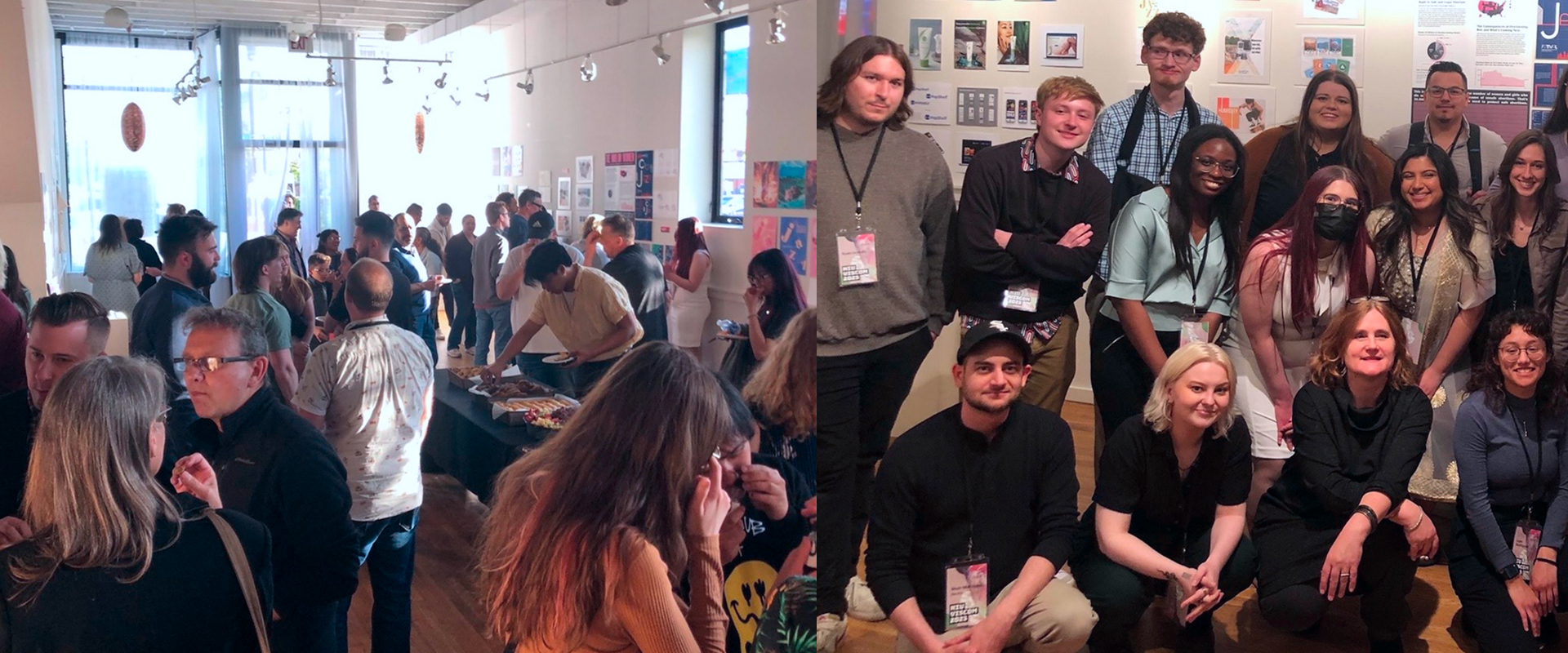

A crucial part of instructing is developing the lesson plans. I teach at every university grade level, I have to adapt lesson plans for skill level. My courses are a combination of lecturing, guided technical workshops and a set of increasingly complex projects that each build on the previous.
Lectures aren't just me speaking at students, during lectures explaining the UX process they always get involved in practical examples of what they're hearing. If we're talking about information architecture, we'll do an exercise by card sorting and sitemapping.
Projects are similarly engaging. The goal at the end of my courses is to have students create work that reflects situations they'll face while working professionally. They do field interviews of likely users, test prototypes, and by the end develop full case studies.
A big part of connecting with students and having my words stick isn't just having them actively participate in class and exercises, it requires understanding who they are, what level of skill they have, what issues they face and finding a way to personally connect with each one as an individual.
It's imperative—even with a lesson plan built before meeting them—that it is also flexible. Commonly in each course the projects will need to be adjusted or adapted to each student. One student may over perform compared to the others, they need to be challenged and encouraged to work on more sophisticated concepts. Conversely, those that underperform may need extra guidance to ensure they understand the lessons and can apply them to the projects.
I am deeply passionate about teaching and uplifting other designers, my day doesn't end at a set time, it ends when the last student is ready to go home.
Throughout each course students are taught the most recent UX techniques and tools
Even if they've never interviewed a user or used a prototyping tool before the class, by the end they are expertly familiar.
This is done through example. To teach them to interview I may interview them or have them interview each other and moderate. In order to teach them to prototype I will prototype something, record it, and have them follow along. If they're ever stuck on any given part, I dynamically address it with each student.
In courses, students will be taught every step of the UX process. Courses are designed to familiarize them with the process through practical, real-life experiences. They do each step as they learn about it, typically classes are structured following these steps:
Strategize /
Many projects involve the students being given a problem or a request and requiring them to develop a solution unique to them.
They first learn to define what their solution should be by identifying then researching their users, figuring out their needs then setting project objectives and determining what success looks like
They engage with their prospective users, using techniques like card sorting to better understand how they think. They develop personas to intimately understand their user groups and therefore define the scope of what their solution needs to accomplish.
They develop personas to intimately understand their user groups and therefore define the scope of what their solution needs to accomplish.
Define /
Students then define the scope of their project, outlining exactly what they plan to build. They align the scope to the objectives they identified and figure out what exactly needs to be built to complete those objectives.
Structure /
Once they know what they are building, they set out to plan what they will build. They organize information structures based on the best method for their project (i.e. Matrix or Organic structures) and map out what it is they will build. They identify the screens they will need based on journeys they have developed from previous steps.
Build /
They then begin to build wireframes, specifically planning out the screens they wish to build
these screens are agnostic of style, but organize the information and bring their planned UI into physicality.
Refine /
Their wireframes next are used to develop high fidelity prototypes. They define style and apply branding, refining the wireframes as they go.
Test /
Their prototypes are tested through a variety of methods, including user interviews, and analytic gathering. Through their testing they identify gaps in the user journey, or possible pain points they overlooked.
Iterate /
Based on their findings they refine their work and may even go back to the drawing board if they find their problem was not suitably solved by their proposed solution.
The first step to running UX workshops is identifying good opportunities to do so.
Typically, identifying a problem with an existing product or service, or finding a gap where a new product or service is needed are the perfect opportunities.
I Identify what I want to address in the workshop and create "How might we" and problem statements that will guide it.
Based on the identified problem or opportunity, I determine the type of workshop that needs to be hosted.
Based on the type, the activities and agenda changes. What doesn't change is the flow. Each workshop includes activities that engage the whole group, getting them to brainstorm, organize or create. Sometimes all of the above.
I use the beginning of the workshop as an opportunity to familiarize people with the other participants. Sometimes people working on a project may have not even spoken to one another previously. This creates a warmer atmosphere, making them more likely to participate.
Next I will lay out what we plan to do, how we plan to do it, and the steps in which we will do it.
A key role of the UX workshops is acting as a facilitator. I consider my role to be getting other people to speak. I know what I would say in any given situation—everyone knows what they think—the challenge is getting everyone to express those opinions to one another.
I run the group through each activity, timing it to make sure we stay on track. If someone hasn't spoken in a conversation I make sure to ask their opinion.
By ensuring everyone is participating equally, or has the chance to, I see a deeper engagement, and looser expression from the participants. They don't feel constrained by the atmosphere, but encouraged by it, leading to insights they may have hesitated to share otherwise.
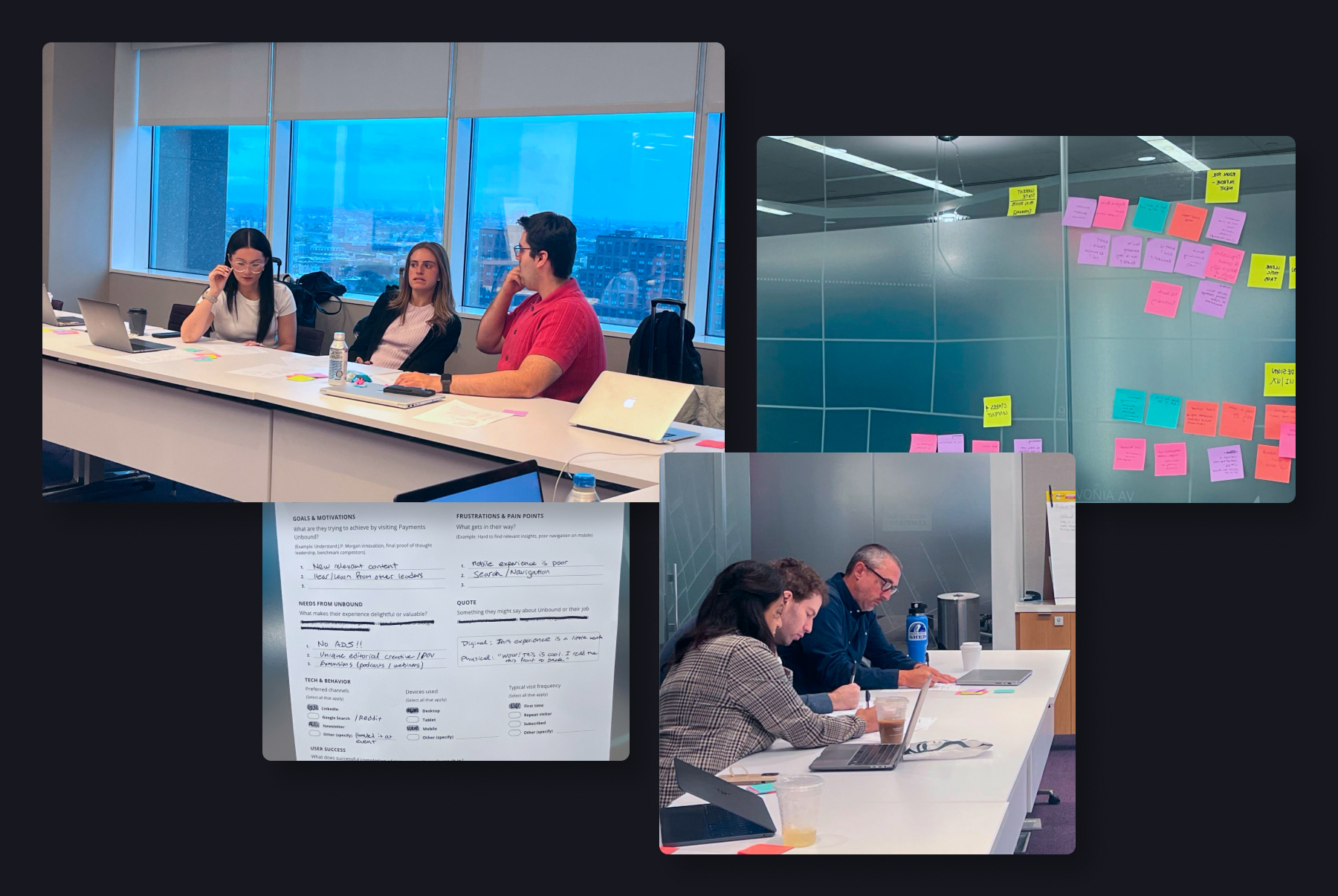
Whatever the goal of the workshop, I make sure to list out actionable next-steps that we can take. This isn't something I determine alone, these steps are defined through the collaboration of the group. We collectively identify the goals of the workshop and think through how we can accomplish them.
Each participant is given a role. We agree to our responsibilities regarding next steps and agree on a timeframe in which to accomplish them.
We will routinely meet and update one another on our goals, continuing on to make sure the workshop's findings were actively used.
Do I have your interest?
Then let's talk, reach me at
Matt @ Matthew Design.net